
© R. Cumming

Conceptual Art

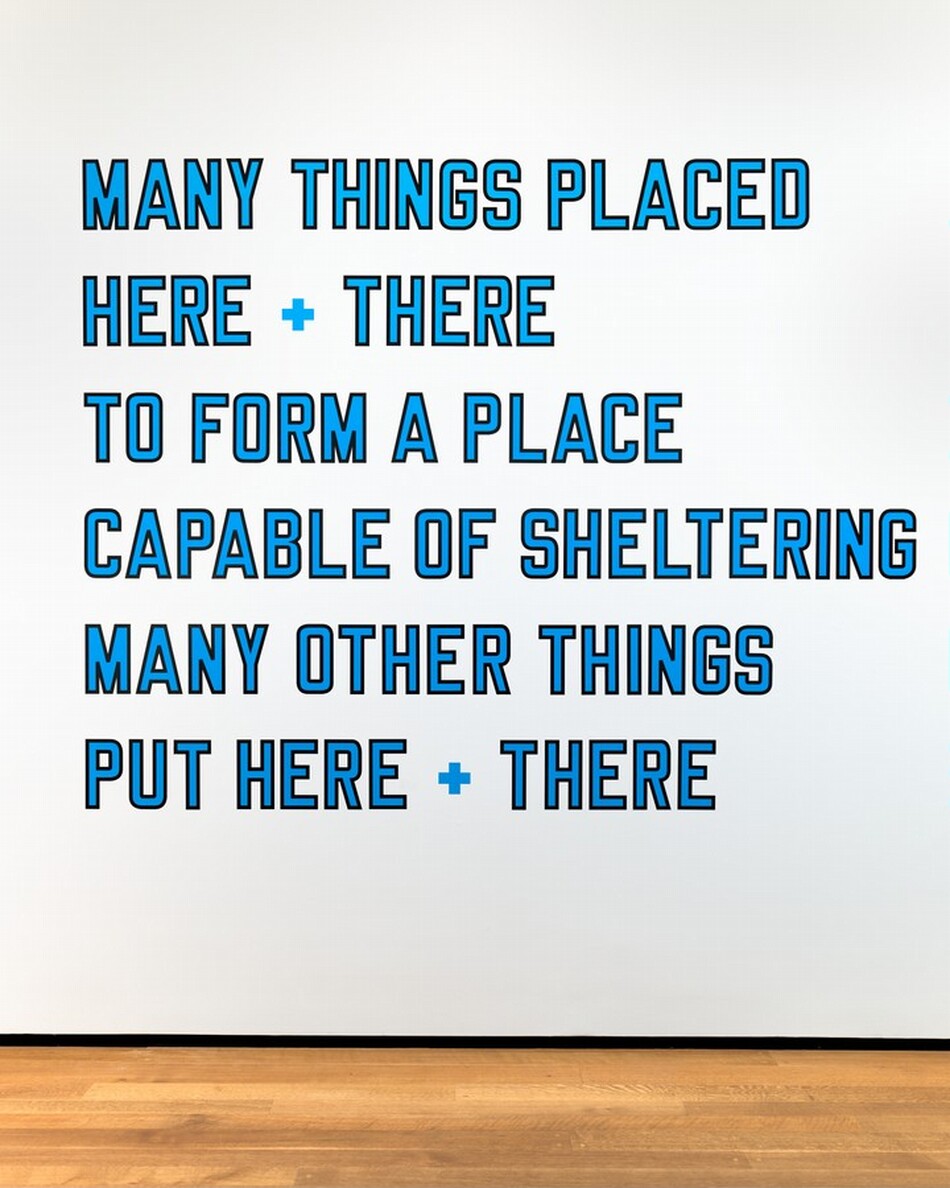
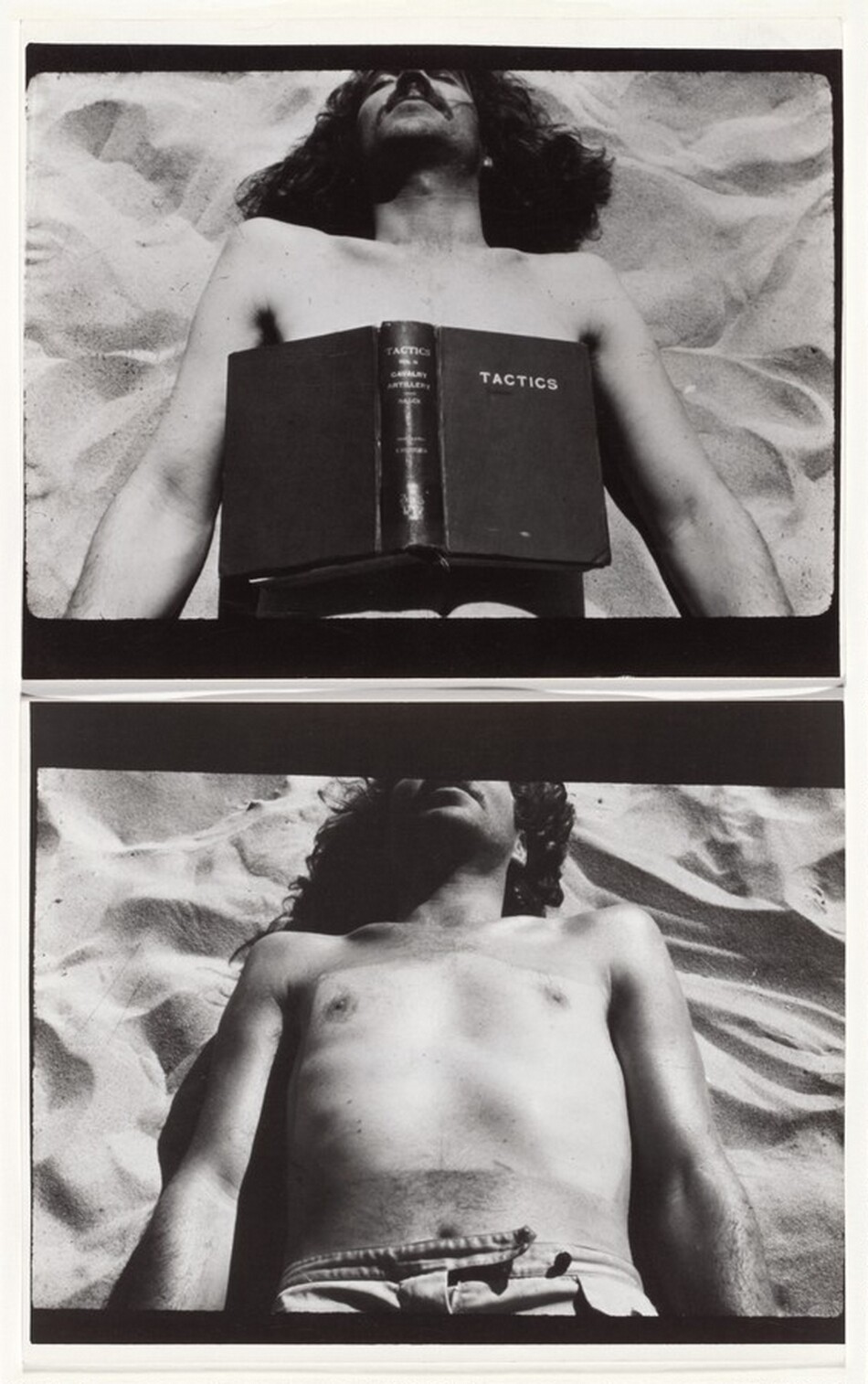
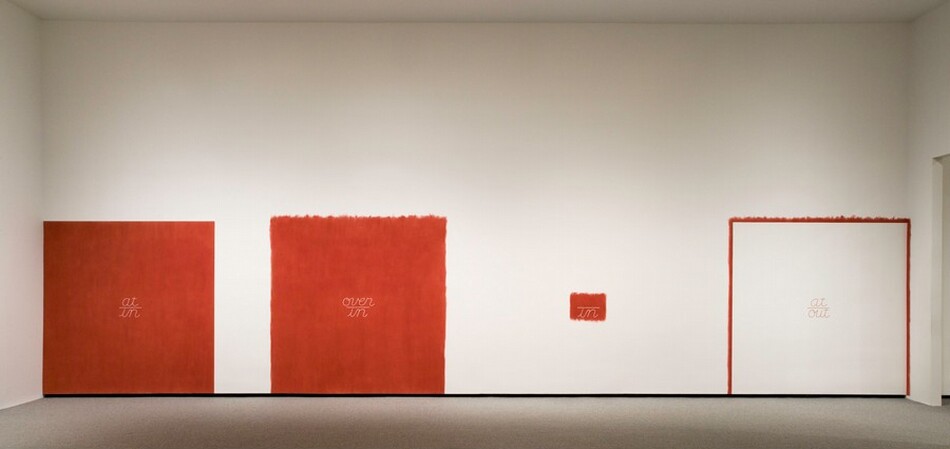
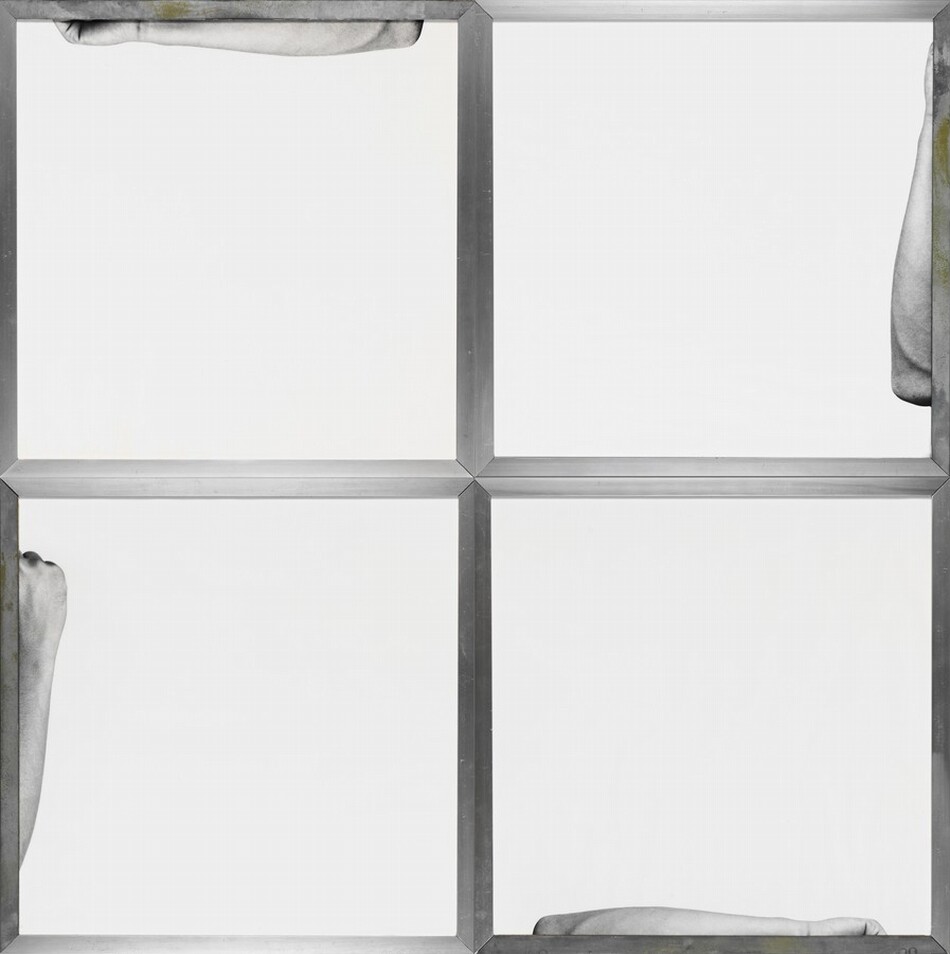
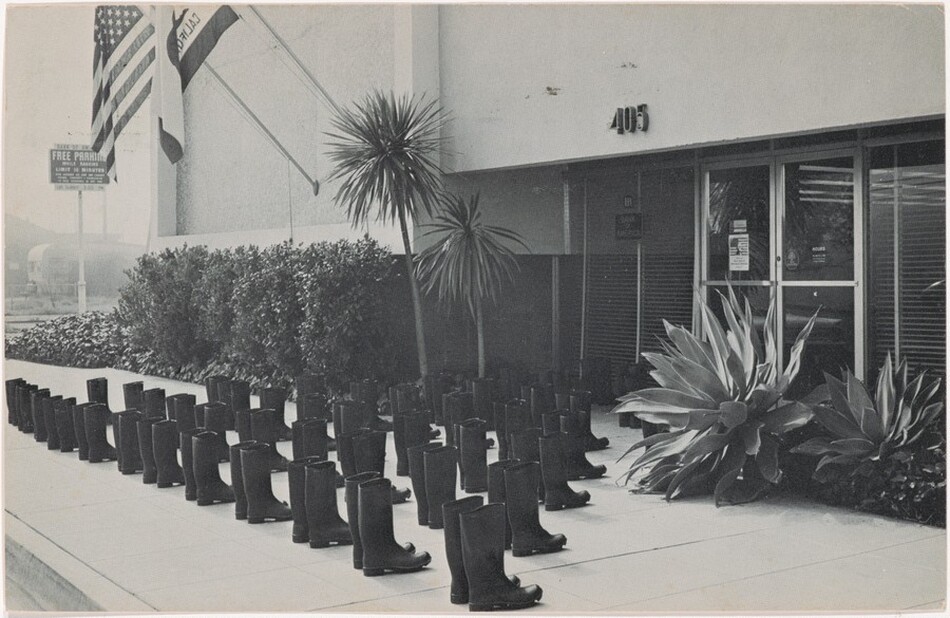
Conceptual art is based on an idea such as a text, mathematical equation, or activity. It can include words, drawings, photographs, sculpture, video, performance, or installation. Conceptualism emerged during the 1960s and ’70s and is now fundamental to contemporary art. It grants artists permission to pursue ideas in every imaginable form.
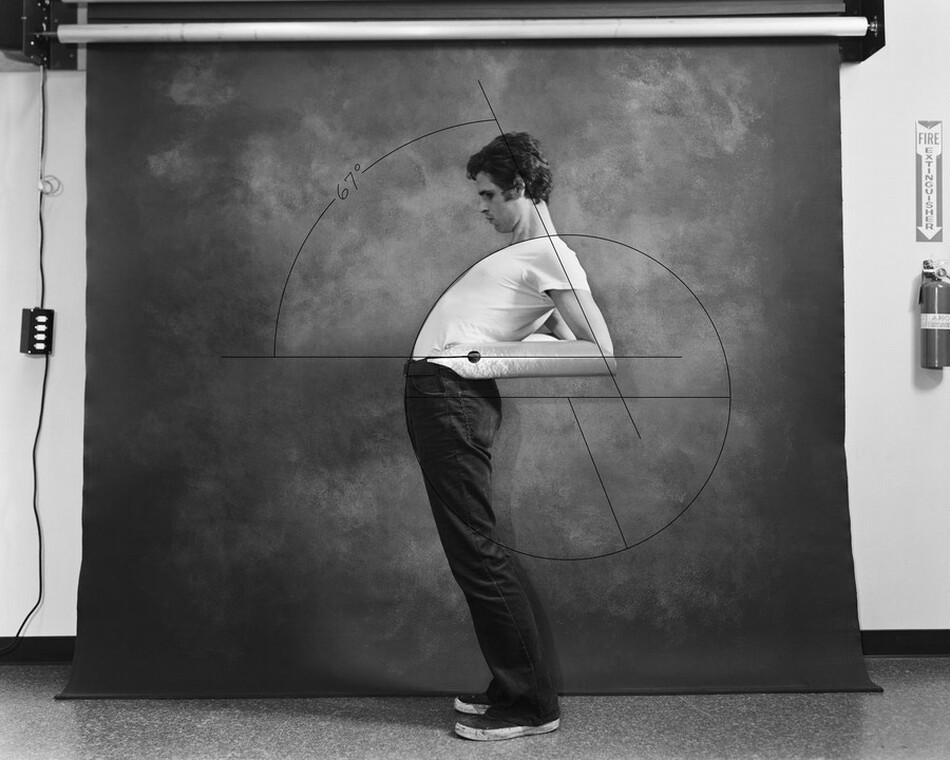
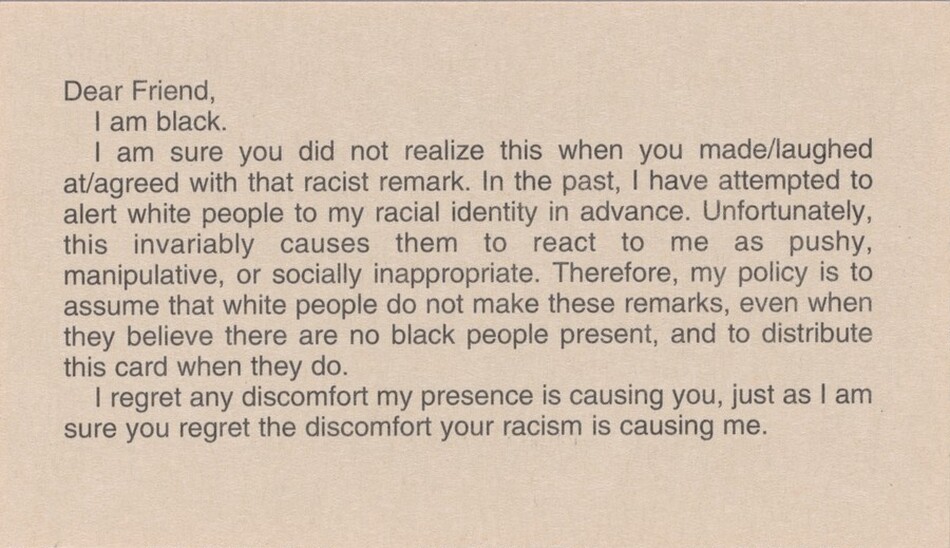
  • This print is a rectangular piece of paper with several lines of typed text. The background of the card is plain beige, and the black text is aligned to the left.
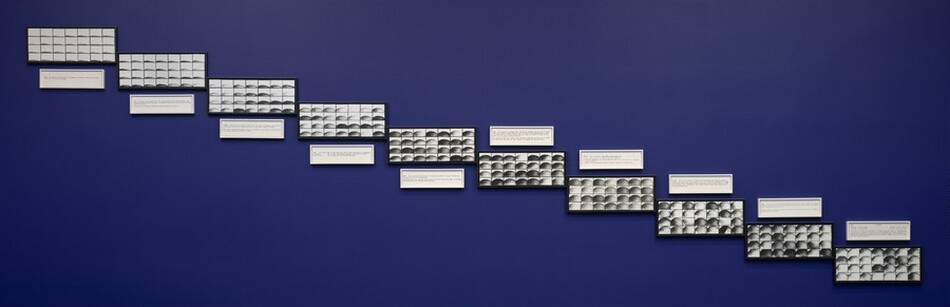
  • This is a collection of ten panels placed diagonally on a deep blue wall, each with a text block above or below them. They start at the top left corner of the wall and travel down to the bottom right corner. Each panel appears to be made of twenty-eight black-and-white photographs in four rows of seven. They all appear to show a curving shape that gets slightly larger in each photograph; the shapes are the smallest in the top left panel and the largest in the bottom right panel.
  • A fine but dense, layered web of blue, red, yellow, and black hair-thin lines fill a white surface in this horizontal work of art.

Explore more

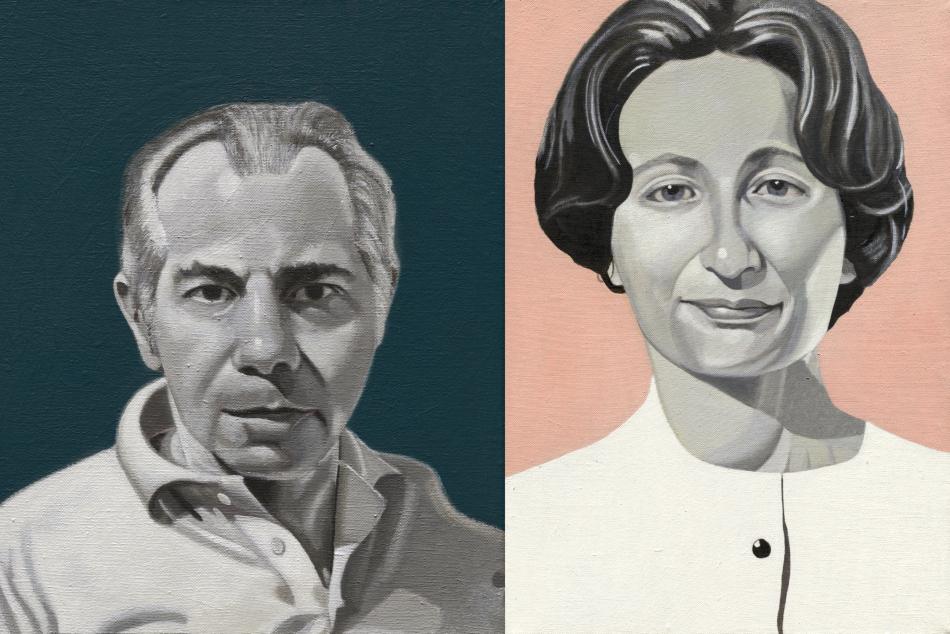
A composite of Michael Vinson's oil painting portraits of Herbert Vogel and Dorothy Vogel

Article:  How Herb and Dorothy Vogel Built One of the Greatest Modern Art Collections—and Then Gave It All Away

These unassuming art collectors fit more than 4,000 works in their tiny New York City apartment, all while working as a librarian and postal clerk.
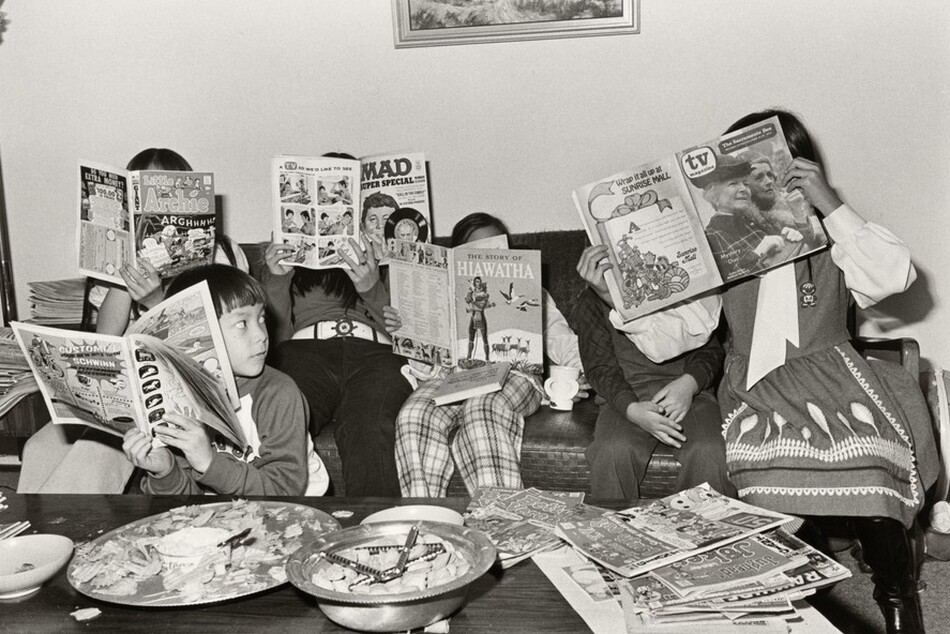
In this black-and-white photograph, five children sit closely together on a couch, reading different comic books and magazines. The comic books obscure the faces of the five children, and they appear absorbed in their reading. A sixth child who appears to be a young boy sits on the ground in front of the couch next to a coffee table piled high with dirty dishes and more comic books. His face is partially visible; he has light skin and dark hair, and he looks over his shoulder to the right. The children wear a variety of clothing with different patterns, including long-sleeved shirts, dresses, belts, and long pants. The wall behind the couch is light gray, with the edge of a framed photo visible at the top.

Article:  12 Documentary Photographers Who Changed the Way We See the World

Photographers of the 1970s revolutionized the medium through innovations of both style and subject.

You may also like
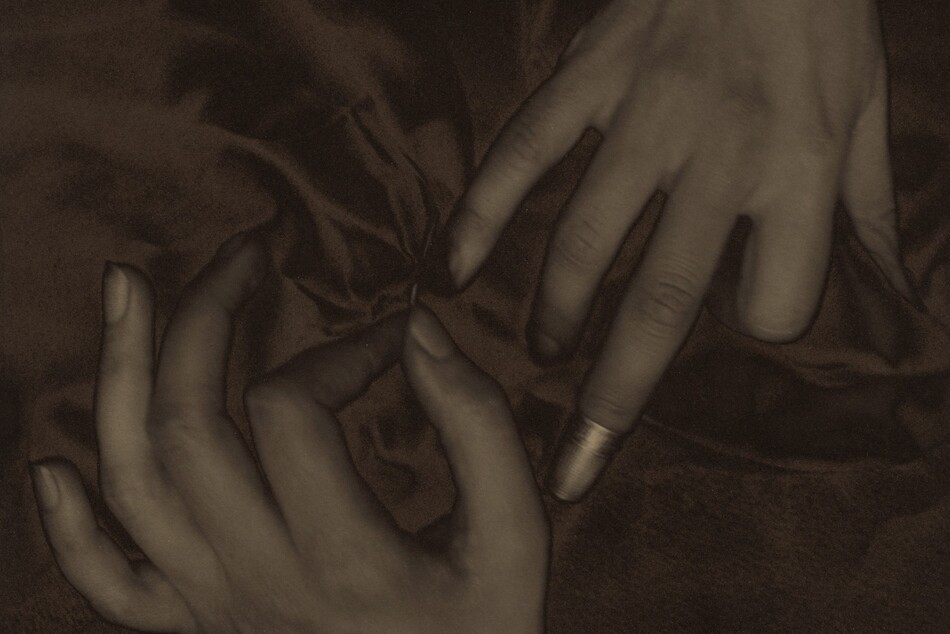
The backs of two splayed hands, palms down with one coming down from the top and one up from the bottom, nearly fill this vertical photograph and are shown lightly entwined in a field of dark fabric. The image is monochromatic like a black and white photograph but is printed in tones of golden and dark brown. The thumb of the left hand, coming up from the bottom, points upward so the fingers splay elegantly to our left. The forefinger and thumb touch to hold a needle stitching the dark fabric. The right hand comes down to our right and almost touches the left hand. The index finger is bent under at the first knuckle, and the ring and pinkie fingers gently curve downward into the fabric. The middle finger extends straight and is capped with a shiny thimble, which nearly touches the thumb of the opposite hand. The skin on the hands and wrists is smooth and the photograph is lightly blurred, creating the impression of a patina. The folds of the gathered fabric create a shadowy pinwheel effect.

Photography 

Louis-Jacques-Mandé Daguerre was the first to permanently record an image using light in 1837. His daguerreotype changed the way we consume images. Many innovations like stereographic photographs and tintypes would follow but it was George Eastman’s invention of the Kodak film camera in 1888 that made cameras widely available.
Architecture

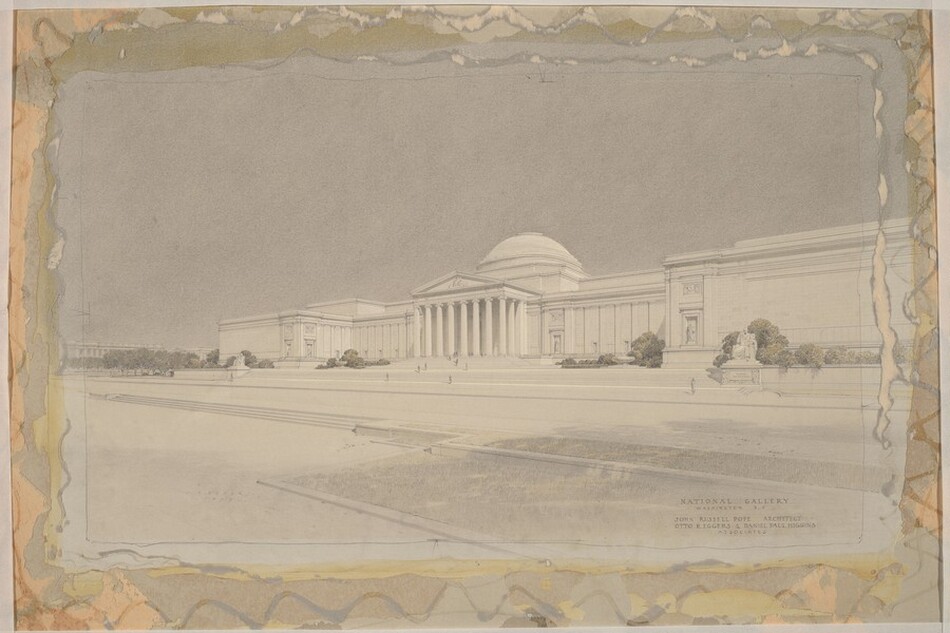
Artists often depict the built environment. We can visit some of the world’s most magnificent buildings and architectural innovations through artworks.